

Public memory is short lived. But not yours!
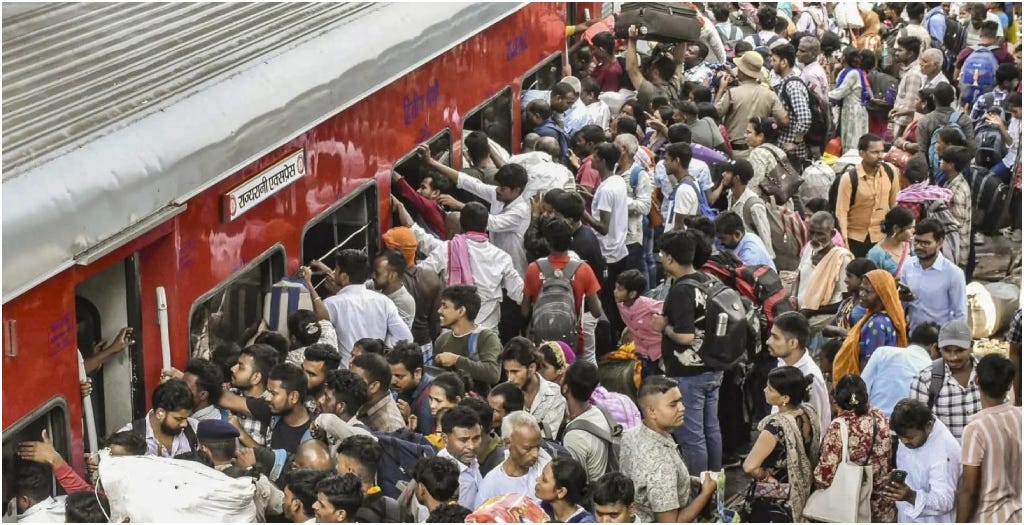
You are a UPSC aspirant and need to think like a top policy maker. In such chain, IndiGo is fresh in the memory but do you remember Bihar bound train rush in October?
The two MIGHT look unrelated but offer insights into how government intervention vs. deregulated private markets behave when demand shocks hit a neo-liberal economy.
1. The Bihar Train Rush: A Classic Demand Shock
Bihar elections hosted immigrants. Yep! Chhath Puja + Election called for a double treat for the citizens to be ‘home’
Zoom out once. You’ll see how artificially low rail tickets shot far ahead of capacity. Classic supply demand! Here’s what happened:
Low prices → more travelers
Limited trains → overcrowding + unsafe journeys
No price increase → no mechanism to ration demand
Rail is govt. monopoly. This reflects how low prices improve welfare only when backed by major public investment. However, if it was in a competitive market, prices would rise to balance the demand.
From UPSC pov, you need to focus on:
a) Prelims: Demand shock, price controls, welfare economics
b) Mains: Public transport, state capacity, fiscal prioritisation
2. IndiGo Flight Crisis: A Supply Shock in a Deregulated Market
Rail does not impact the India-1 directly. Air tickets do! There’s a debate on how IndiGo manufactured this crisis. Result? Crying Indians who ‘fly’ made to international news.
This is bad optics for a rising India. On a deeper level, what you have to understand is IndiGo cancelled flights due to non-compliance issues. This triggered a sharp supply contraction.
Understand this: Rail v/s Air
Rail is regulated
Air travel is not.
So reduced supply → immediate fare spikes.
The problem?
IndiGo enjoys a near-monopoly in several Indian routes. So the price jump was not just market behavior but it reflected market power.
In a truly competitive market, one firm’s supply cut wouldn’t cause such huge disruptions. But in a concentrated market, deregulation without oversight lowers consumer welfare.
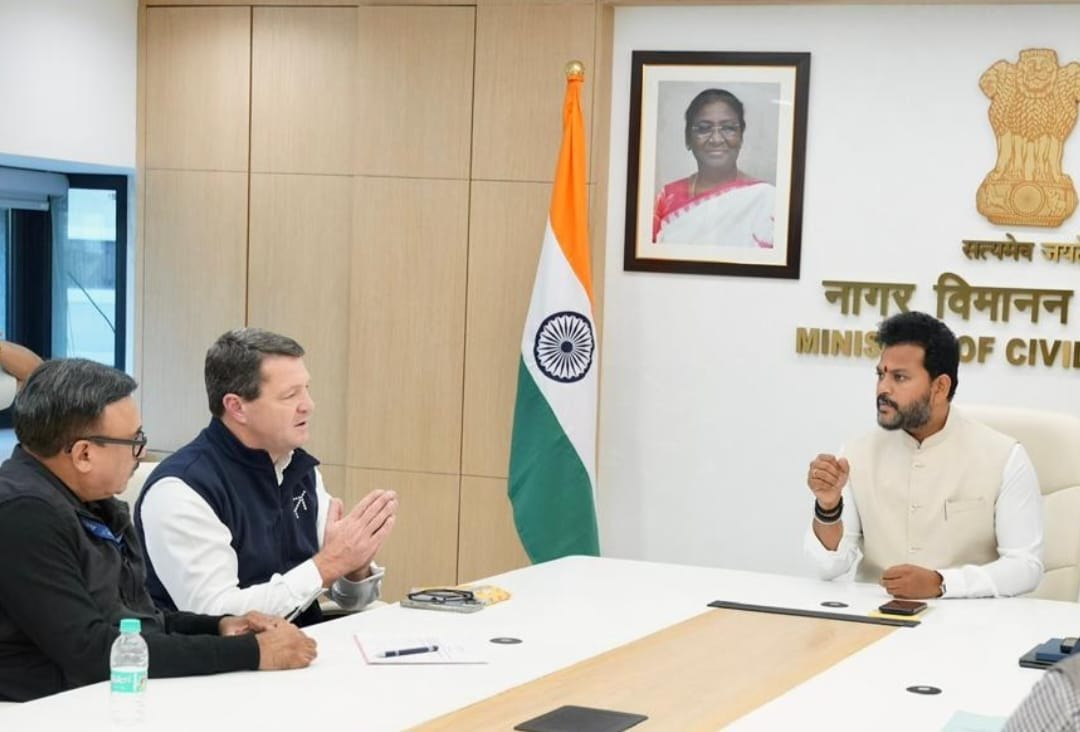
Now the govt. woke up to make ‘amends’ with Civil Aviation Minister claiming the appetite to have 5 Major Airlines. This is concerning for IndiGo (explains the image below)
UPSC Angle Prelims: Supply shock, monopoly, price volatility
Mains: Competition policy, aviation regulation, consumer protection
3. The Larger Insight: Neo-Liberalism Works Only With State Capacity
Be it pan India IndiGo crisis or Rail issues in Bihar, both point to same idea:
A neo-liberal economy still needs strong state capacity.
Low government prices require investment; deregulated private markets require competition.
Without:
investment, public services become overcrowded
regulation, private markets turn monopolistic
India’s transport crises show what happens when neither condition is met.
For you, as an aspirant, you need to ALWAYS ask:
Is the problem price controls, state capacity, monopolies, or regulation gaps?
This ONE line will give a new depth to your GS answers & essay arguments.
Further, it will better your understanding of the issue.
Another thing that will help you is detailed PYQ Analysis. Model answers for Mains PYQs will change the game to help you score higher in the Mains.
Where to find the video discussions & Model Answers for Mains? CSEWhy App, download right away here!